El té verde y sus polifenoles en adolescentes
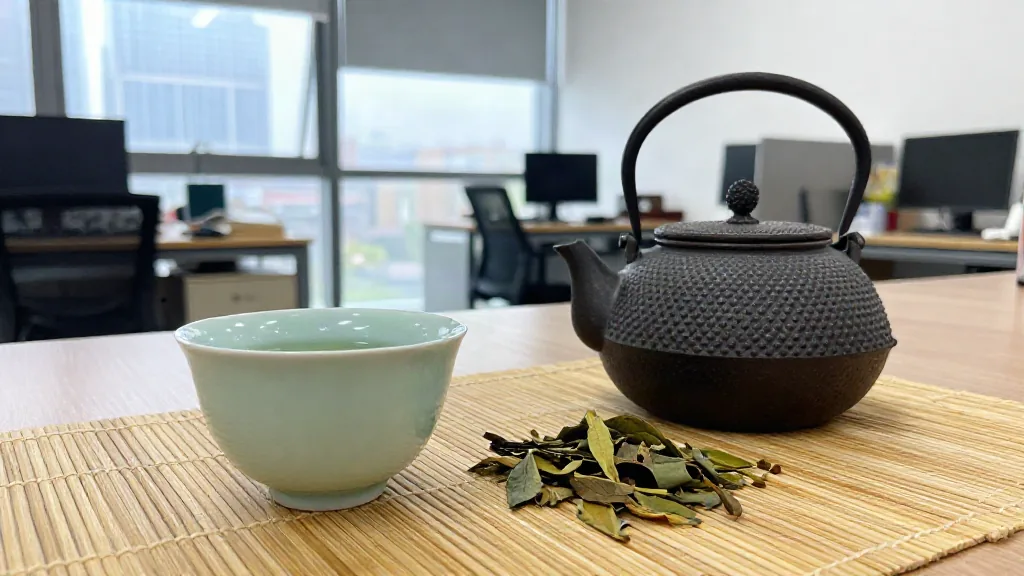
Green tea has been touted as one of the most beneficial natural remedies on earth.
Green tea is a natural product with a high level of antioxidants. Because of this fact it has been sually associated with the ability to decrease oxidative stress and reduce the effects of aging and other oxidative diseases. Polyphenols, naturally found in green tea, can be credited with this health benefits on young teens.
It helps teens to stay focused and improve concentration.
According to many sources the calming effects of green tea start as fast as half an hour after the young boy drinks the green tea.
Consumer awareness of the benefits of green tea and green tea extracts continues to rise with growing numbers of studies, from 430 papers in 2000 to almost 1500 in 2003, reporting benefits of the main compounds, catechins.
Green tea catechins may improve reference and working-memory related learning ability, say research from Japan.
Furthermore, rats administered PE had lower hippocampus reactive oxygen species concentrations than controls. We suggest that this improvement in spatial cognitive learning ability is due to the antioxidative activity of green tea catechins.
Green tea is a natural product that has been taken by millions of people without any known side effects.
http://www.ncbi.nlm.nih.gov/pubmed/10607735
Black tea extracts (hot aqueous, polyphenols and theaflavins) and green tea extracts (hot aqueous, polyphenols, epicatechin, epicatechin gallate, epigallocatechin and epigallocatechin gallate) were tested in nine standardized cell culture assays for comparative cancer chemopreventive properties. Most black and green tea extracts strongly inhibited neoplastic transformation in mouse mammary organ cultures, rat tracheal epithelial cells and human lung tumor epithelial cells. Nearly all tea fractions strongly inhibited benzo[a]pyrene adduct formation with human DNA. Induction of phase II enzymes, glutathione-S-transferase and quinone reductase, were enhanced by nearly all tea fractions, while glutathione was induced by only a few fractions. Ornithine decarboxylase activity was inhibited by nearly all the green tea fractions, but none of the black tea fractions. 12-O-tetradecanoylphorbol-13-acetate-induced free radicals were inhibited by most tea fractions. These results provide strong evidence of both anti-mutagenic, anti-proliferative and anti-neoplastic activities for both black and green tea extracts. Such anticancer mechanisms may well be responsible for the cancer preventive efficacies seen in both experimental and human studies.
http://www.ncbi.nlm.nih.gov/pubmed/20664983
NM was the most potent dose-dependent inhibitor of MMPs, followed by green tea extract and EGCG.
Avoid Karoshi! In Japansese, karoshi means "death from over work." Stress is legendary in Japan — so much so that according to Labor Ministry statistics there had been twenty-one case of karoshi in 1987, twenty-nine cases in 1988 and thirty cases in 1989. But a liaison council of attorneys established in 1988 to monitor deaths from overwork estimated in 1990 that over 10,000 people were dying each year from karoshi.
Theanine, an amino acid found in tea, seems to take the "buzz" out of caffeine. Imagine what would happen if theanine were extracted from tea and given as a supplement. Well, this is exactly the case in Japan. Over 50 food items (except baby food) have theanine as an added ingredient. Everything from boxed cereal to chewing gum has been "spiked" with the relaxing tea extrac.
Theanine increases GABA (gamma-amino-butyric acid), an important inhibitory neurotransmitter in the brain. GABA can be considered the brain’s natural sedative that brings balance to excitability that can sometimes lead to restlessness, insomnia, and other disruptive conditions. Theanine also increases levels of dopamine, another brain chemical with mood-enhancing effects.
Based on studies on neurons in cell culture, theanine has been linked to the significant reversal of glutamate-induced toxicity, a major cause of degenerative brain disease.
Since theanine is an active ingredient in green tea, this naturally occurring supplement may also play a role in cancer prevention. In Japan where green tea is a popular beverage, surveys showed that people who consumed green tea had much lower incidence of liver, pancreatic, breast, lung, esophageal and stomach cancer.
Another study at Brigham and Women’s Hospital in Boston and Harvard Medical School revealed that L-theanine is broken down in the liver to ethylamine, a molecule that primes the response of an immune blood cell called the gamma-delta T cell.
We know from other studies that gamma-delta T cells in the blood are the first line of defense against many types of bacteria, viral, fungal and parasitic infections.
General recommendation of 100mg, three times per day, with or without food.
According to Cooper, 3 to 4 cups of green tea contains 60 to 160 milligrams. A recent study by Foxe found that just 4 cups of green tea improves your focus on complicated tasks.
It reaches the maximum levels in the blood between 30 minutes to 2 hours after ingestion.
The United Kingdom Tea Council recommends that 6 cups of tea a day or fewer is safe for most healthy adults.
Tea contains more than 200 bioactive compounds. They often act in synergy (i.e. the whole is greater than the sum of its parts). Taking supplements is unlikely to be as beneficial as drinking tea.
In general, high quality green tea is described as "delicate" or "sweet." Sweetness is attributed to amino acids, especially theanine.
Pimienta negra para mejorar la absorcion del polifenol mas importante del te verde:
EGCg is perhaps the most important and healthy polyphenol of green tea. Though many studies have shown its benefits, the downside is EGCg is not well absorbed, at least not in rodents.
Piperine, a component of black pepper, increases the bioavailability of epigallocatechin gallate in mice. The more piperine was given, the more EGCg was found in plasma. Accordingly, the excretion of EGCg in feces was significantly reduced.
This improvement in bioavailability is likely due to piperine’s ability to inhibit the glucuronidation of epigallocatechin gallate. Piperine will likely improve the bioavailability of epigallocatechin gallate even in humans.
Fuente: http://inhumanexperiment.blogspot.ae/20 … eases.html
Hablando de polifenoles, esta imagen es muy explicativa:
La L-teanina se transforma en polifenoles gracias a la acción solar. Eso explica que dos de los tes con mayor cantidad de L-teanina, el Matcha y el Gyokuro, se cultiven a la sombra debajo de plásticos. Es más, tanto el Sencha como el Matcha proceden de la misma planta (Camelia sinensis) y sólo difieren en la forma de cultivarse, resultando en una mayor cantidad de L-teanina (= más dulzura = más caro) en el segundo. Uno podría pensar que, lógicamente, contiene menos polifenoles. Pues no, al consumirse en forma de polvo, se ingieren una mayor cantidad de polifenoles que el sencha hervido (ojo, si el sencha es en polvo gana este). El equilibrio entre L-teanina y polifenoles es muy importante ya que el segundo es amargo y unas hojas muy expuestas al Sol terminan siendo intragables. Por eso uno de los parámetros de calidad del té es la edad de las hojas y su posición en la planta (jóvenes en la parte inferior, mayor calidad).
El único problema que tiene el Matcha es su precio: el ceremonial anda sobre las 250 libras/kilo, mientras que el Sencha anda sobre las 40 libras/kilo. Parece más razonable comprar la variedad Sencha, o cualquier otra que nos agrade, y añadir L-teanina y EGCG sintéticos (que son muchísimo más baratos).
Interesantísimo… a mi el Sencha me gusta mucho, y también tomo L—teanina cuando he tomado mucho té, para que no me altere demasiado.
Una particular y amplia forma de compuestos antinutricionales son los flavonoides, estos son un grupo de compuestos polifenólicos, entre los que se encuentran los taninos. Estos compuestos quelan metales como el hierro y el zinc y reducen la absorción de estos nutrientes, pero ellos además inhiben las enzimas digestivas y posiblemente precipitar las proteínas. Sin embargo, polifenoles como los Taninos poseen propiedades anticancerígenas, así alimentos como el té verde que contiene amplias cantidades de estos compuestos, podría ser saludable para algunas personas a pesar de sus propiedades antinutricionales.
Por lo tanto cuidado con el te verde, a ser posible tomarlo de forma aislada y no junto a las comidas principales.
La cefeina en el te verde:
Many experts recommend consuming no more than 300 milligrams of caffeine a day. When compared to black teas, coffee and soft drinks, green tea has been found to provide a gentle and steady source of stimulation with few reports of common caffeine side effects, such as nervousness or headaches. Caffeine in green tea works differently in the body because unlike coffee, green tea also contains L-Theanine. Theanine is an amino acid that produces a calming effect on the brain (Yokogoshi et al. 1998b). Japanese researchers have discovered that theanine is a caffeine antagonist, offsetting the "hyper" effect of caffeine (Kakuda et al. 2000). Of the 20 different types of amino acids in tea, more than 60% are theanine. This is unique to green tea and white tea because the steaming process does not eliminate it. Theanine also provides the elegant taste and sweetness in green tea. To realize the cancer-fighting benefits of green tea, researchers generally agree that drinking 14-16 ounces (415-475 mL) per day is reasonable.[1]. If there’s is 30 mg of caffeine per 8 oz cup of green tea, drinking the recommended amount translates into 60 mg of caffeine per day (much less than 300 mg)
Caffeine comparisons per serving are as follows: Black Tea 0.05%; Gyokuro Green Tea 0.02%; Sencha Green Tea 0.015%; Houjicha Green Tea 0.008%; Genmaicha Green Tea.
One cup of green tea can contain anywhere from 15 to 75 milligrams of caffeine.
Te verde descafeinado?
Be sure to purchase green tea that uses the far healthier natural decaffeination process called “effervescence.” It use no chemicals, and instead relies on a natural process using water and carbon dioxide (C02) that retains 95 percent of the polyphenols.
The other process sometimes somewhat cynically referred to as "natural decaffeination" uses the chemical solvent ethyl acetate, retaining only 30 percent of the healthy polyphenols.
Caffeine is quicker to dissolve than the other tea compounds. Dr Andrew Weil, the noted Doctor and Nutritionist states that you can remove most of the caffeine on your own by steeping the tea for 45 seconds in hot water and then pouring off the liquid. He states that up to 80 percent of the caffeine is released in the first infusion of water so only minimal amounts will remain when you add water the second time.
Para el que quiera evitar la cafeina (alimentos-saludables-f112/cafeina-t1171.html), esta parece una buena alternativa ya que contiene 98% de polifenoles:
http://www.amazon.com/Life-Extension-De … B000MYW2ZA
The botanical extract in Mega green Tea Extract has been concentrated and dual standardized to ensure the highest quality, consistency, and biological activity. Each serving contains a small amount of caffeine (max 3.6mg). Since one cup of decaffeinated tea contains at least 9mg of caffeine, the amount of caffeine in this supplement will most likely not induce a stimulating effect.
Yo al día me tomo unas 2—4 tazas de Sencha:
The effectiveness ratings for GREEN TEA are as follows:
Likely effective for…
Genital warts. A specific green tea extract ointment (Veregen, Bradley Pharmaceuticals) is FDA-approved for treating genital warts.
Increasing mental alertness, due to the caffeine content of green tea.
Possibly effective for…
Preventing dizziness upon standing up (orthostatic hypotension) in older people.
Preventing bladder, esophageal, ovarian, and pancreatic cancers. Women who regularly drink tea, including green tea or black tea, appear to have a significantly lower risk of developing ovarian cancer compared to women who never or seldom drink tea. In one study, women who drank 2 or more cups of green tea each day had a 46% lower risk of getting ovarian cancer than women who didn’t drink green tea.
Reducing the risk or delaying the onset of Parkinson’s disease. Drinking one to four cups of green tea daily seems to provide the most protection against developing Parkinson’s.
Low blood pressure. Green tea might help in elderly people who have low blood pressure after eating.
Decreasing high levels of fat, like cholesterol and triglycerides, in the blood (hyperlipidemia).
Reducing abnormal development and growth of cells of the cervix (cervical dysplasia) caused by human papilloma virus (HPV) infection.
Possibly ineffective for…
Preventing colon cancer.
Insufficient evidence to rate effectiveness for…
Weight loss. Taking a specific green tea extract (EGCG) seems to help moderately overweight people lose weight. But green tea doesn’t help people keep the weight off.
High blood pressure. Some research shows that drinking green tea regularly seems to lower the chance of getting high blood pressure. But not all research agrees.
Stroke prevention. According to a large study done in Japan, drinking 3 cups of green tea per day seems to significantly lower the risk of having a stroke, compared to drinking one cup or no tea. Women seem to benefit more than men.
Weak bones (osteoporosis). Population research suggests that drinking green tea for 10 years is associated with stronger bones.
Type 2 diabetes. Drinking green tea may help prevent diabetes. Research suggests that Japanese adults who drink 6 or more cups per day of green tea have a 33% lower risk of developing type 2 diabetes compared to those who drink one cup per day or less. This is especially true for women.
Breast cancer. Green tea does not seem to prevent breast cancer in Asian populations. However, in Asian-American populations, some evidence suggests that drinking green tea might reduce the risk of developing breast cancer. Most research on green tea for breast cancer has been in Asian populations. The effect of green tea on breast cancer risk in Western populations is less clear.
Gum disease (gingivitis). Chewing candy that contains green tea extract seems to control plaque build-up on the teeth and reduce gum swelling.
Prostate cancer. Chinese men who drink more green tea seem to have a lower risk of developing prostate cancer. The more tea they drink, the more their risk drops.
Diarrhea.
Chronic fatigue syndrome (CFS).
Heart disease prevention.
Kidney stones.
Lung cancer.
Stomach cancer.
Skin cancer.
Dental cavities.
Cervical cancer.
Gastric cancer.
Leukemia.
Other conditions.
More evidence is needed to rate green tea for these uses.
Are there safety concerns?
Green tea is LIKELY SAFE for most adults. Green tea extract is POSSIBLY SAFE for most people for short-term use. In some people, green tea can cause stomach upset and constipation. Green tea extracts have been reported to cause liver problems in rare cases.
Too much green tea — more than five cups per day, for example — is POSSIBLY UNSAFE. It can cause side effects because of the caffeine. These side effects can range from mild to serious and include headache, nervousness, sleep problems, vomiting, diarrhea, irritability, irregular heartbeat, tremor, heartburn, dizziness, ringing in the ears, convulsions, and confusion. Green tea seems to reduce the absorption of iron from food. Drinking very high doses of green tea can actually be fatal. The fatal dose of caffeine in green tea is estimated to be 10-14 grams (150-200 mg per kilogram). Serious toxicity can occur at lower doses.
Caffeine is POSSIBLY SAFE in children in amounts commonly found in foods.
“Tired blood” (anemia): Drinking green tea may make anemia worse.
Anxiety disorders: The caffeine in green tea might make anxiety worse.
Bleeding disorders: Caffeine might increase the risk of bleeding. Don’t drink green tea if you have a bleeding disorder.
Heart conditions: Caffeine in green tea might cause irregular heartbeat.
Diabetes: Caffeine might affect blood sugar control. If you drink green tea and have diabetes, monitor your blood sugar carefully.
Diarrhea. Green tea contains caffeine. The caffeine in green tea, especially when taken in large amounts, can worsen diarrhea.
Irritable bowel syndrome (IBS): Green tea contains caffeine. The caffeine in green tea, especially when taken in large amounts, can worsen diarrhea and might worsen symptoms of IBS.
Glaucoma: Drinking green tea increases pressure inside the eye. The increase occurs within 30 minutes and lasts for at least 90 minutes.
High blood pressure: The caffeine in green tea might increase blood pressure in people with high blood pressure. However, this does not seem to occur in people who regularly drink green tea or other products that contain caffeine.
Liver disease: Green tea extract supplements have been linked to several cases of liver damage. Green tea extracts might make liver disease worse.
Weak bones (osteoporosis): Drinking green tea can increase the amount of calcium that is flushed out in the urine. Caffeine should be limited to less than 300 mg per day (approximately 2-3 cups of green tea). It is possible to make up for some calcium loss caused by caffeine by taking calcium supplements.